Plastic
What is Plastic?
Plastic is a versatile and ubiquitous material used extensively in various industries, including manufacturing and promotional products. Created through the polymerization process, plastic began its widespread adoption in the early 20th century. It has since become integral to countless applications due to its adaptability, durability, and cost-effectiveness.The production of plastic typically starts with the extraction of raw materials, primarily natural gas and crude oil. These materials are refined into monomers such as ethylene and propylene, which are then chemically bonded into polymers, forming what we recognize as plastic. This transformation occurs through processes like polymerization and polycondensation, resulting in various types of plastics suited to different applications.
Key Properties and Characteristics of Plastic
Plastic is renowned for its lightweight nature, resistance to corrosion, and electrical insulation properties. It also boasts significant versatility in hardness, elasticity, and transparency, which can be adjusted to meet specific needs. The thermal and acoustic insulation properties of plastics make them ideal for a wide range of applications, from automotive parts to building materials.
The Role of Plastic in Products and Promotional Items
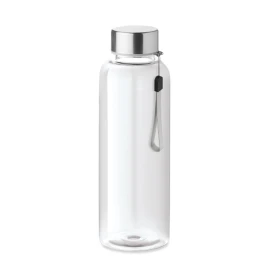
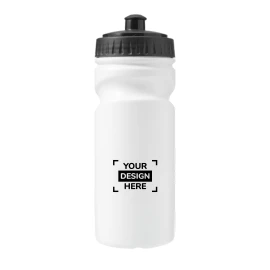
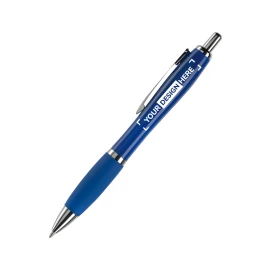
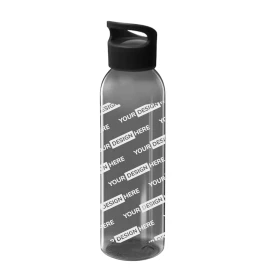
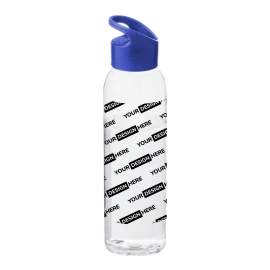
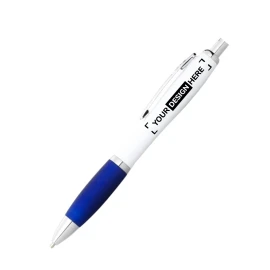
From everyday household items to critical medical devices, plastic's applications are nearly limitless. In the realm of promotional gifts, plastic is particularly valued for its ease of molding and branding. Products such as personalized pens, keychains, and personalized USB sticks are commonly made from plastics like polyvinyl chloride (PVC) and polyethylene. These items are popular due to their durability and the ease with which they can be manufactured in various shapes and colors.
Advantages of Using Plastic in Manufacturing
The primary advantage of using plastic in manufacturing includes its cost-effectiveness and lightweight nature, which reduces shipping costs and eases the handling of finished products. Plastic's resistance to water and chemicals extends the life of products, even under harsh conditions.
Comparing Plastic with Other Materials
While materials like metal and glass have their strengths, plastic stands out for its versatility and cost. Unlike metals, plastic does not rust, and unlike glass, it is shatter-resistant. However, plastics do face challenges such as environmental impact due to their non-biodegradable nature and the chemical processes involved in their production, which can be energy-intensive and polluting.
Despite these challenges, plastic remains a fundamental material in manufacturing and promotional products, continuously evolving with advancements in recycling and bioplastics to address environmental concerns. Its ability to adapt and innovate ensures that plastic will remain a key player in industries worldwide.
| Plastic Type | Common Uses | Recycling Code |
|---|---|---|
| PETE (PET) | Beverage bottles, food packaging | 1 |
| HDPE | Milk jugs, detergent bottles | 2 |
| PVC | Pipes, tiles, window frames | 3 |
| LDPE | Shopping bags, clothing, furniture | 4 |
| PP | Food containers, plastic caps, straws | 5 |
| PS | Disposable cups, plates, cutlery | 6 |
| Other | Various, often multi-material blends | 7 |