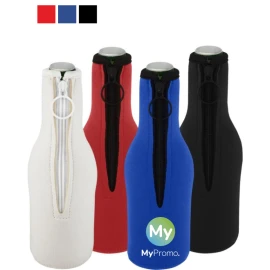
Neoprene
What is neoprene?
Neoprene is a synthetic rubber known for its durability and versatility across various industries, including manufacturing and promotional products. Developed in the 1930s, it serves as an oil-resistant alternative to natural rubber, crafted through the polymerization of chloroprene.
The production process of neoprene
The journey of Neoprene from raw material to a versatile fabric involves several steps. Initially, chloroprene monomer undergoes polymerization, turning into polychloroprene in the form of solid rubber. This rubber is then sliced into chips, which are melted down and mixed with foaming agents and pigments to achieve the desired flexibility and colour. The mixture is then extruded into sheets, which are baked to perfect the material’s final properties, ensuring it meets specific requirements of strength and elasticity.
Key properties of neoprene
Neoprene is lauded for several key characteristics:
- Thermal Resistance: It maintains insulation against both heat and cold.
- Chemical Stability: Resistant to degradation by the sun, ozone, and weather.
- Water Resistance: Neoprene does not absorb water, making it ideal for waterproof garments.
- Flexibility and Durability: Even when subjected to a wide range of temperatures, Neoprene remains flexible yet strong.
- Cushioning: Its cushion-like nature makes it suitable for protective gear.
Applications of neoprene
In the realm of manufacturing, Neoprene is a hero material. It's used in the automotive industry for hoses and belts due to its resistance to temperature and chemicals. In consumer products, Neoprene is popular in wetsuits and gloves due to its insulating properties. For promotional products, Neoprene is often the material of choice for items like insulated can holders, protective tablet cases, and personalized mouse pads, offering both personalization through printing and durability.
Comparing neoprene with other materials
While Neoprene is superior in durability and thermal resistance compared to materials like plastic or conventional rubber, it is also more cost-intensive, which might be a drawback for some applications. Additionally, Neoprene's environmental impact, due to its non-biodegradable nature, poses challenges, though it remains a preferred choice for many industrial applications due to its robustness.
Comparison of neoprene with other materials
| Material | Weather Resistance | Chemical Stability | Thermal Insulation | Cost |
|---|---|---|---|---|
| Neoprene | High | High | Excellent | Moderate |
| Silicone | Moderate | Very High | Good | High |
| Natural Rubber | Low | Low | Moderate | Low |