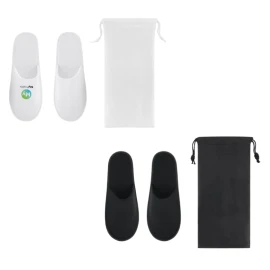
Non-woven
What is non-woven fabric?
Non-woven fabric is a versatile material essential in both manufacturing and the promotional gifts industry. Unlike traditional fabrics, non-wovens are not made from woven or knitted threads but are instead created by bonding fibrous materials together using chemical, mechanical, or heat processes. This technology emerged prominently in the 20th century and has since revolutionized the production of a variety of items due to its efficiency and cost-effectiveness.
The making of non-woven fabrics
The process of producing non-woven fabric starts with the selection of fibers, which can be synthetic like polyester and polypropylene or natural like cotton. These fibers are then arranged into a web-like structure using methods such as dry-laying or wet-laying. The web is then bonded by mechanical means (entanglement), thermally (using heat), or chemically (with adhesives), to create the non-woven fabric. This streamlined production process allows for rapid and flexible manufacturing of fabrics tailored to specific uses.
Properties and characteristics of non-woven fabrics
Non-woven fabrics are known for their:
- Durability: They are strong yet flexible.
- Moisture resistance: Some non-wovens are engineered to be water-resistant.
- Breathability: This makes them ideal for hygiene products and apparel.
- Customizability: They can be produced with various properties tailored to specific applications.
- Cost-effectiveness: Generally cheaper to produce than woven fabrics.
Applications of non-woven fabrics
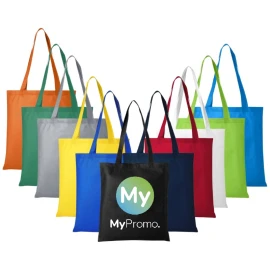
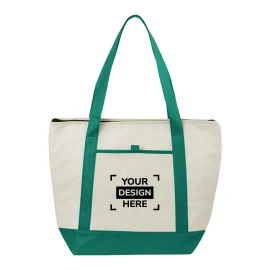
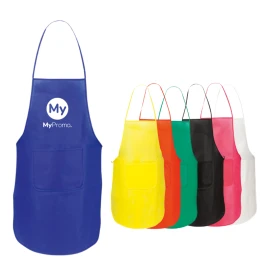
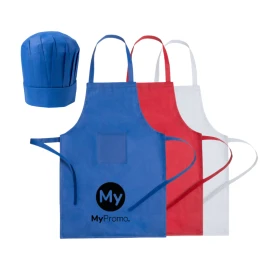
Non-woven fabrics are utilized in a vast range of products, from medical supplies like masks and gowns to everyday items such as tea bags and napkins. In the promotional products industry, non-wovens are favored for items such as personalized non-woven bags, banners, and even disposable tablecloths, providing an excellent medium for branding due to their ease of printing and overall versatility.
Advantages and challenges
Non-woven fabrics offer several advantages over traditional materials, including lower production costs, versatility, and adaptability to various industrial needs. However, they can face challenges such as lower durability under stress and environmental concerns, particularly with synthetic non-biodegradable fibers.
Comparison of Non-woven Fabrics with Traditional Materials
| Material Type | Durability | Cost | Production Speed | Environmental Impact |
|---|---|---|---|---|
| Non-woven | Medium | Economical | Fast | Varies (from Poor to Sustainable) |
| Woven | High | More expensive | Slow | Moderate |
| Knitted | High | Moderate | Moderate | Moderate |