
Stainless steel
What is stainless steel?
Stainless steel is a highly durable and corrosion-resistant alloy primarily made of iron, chromium, and often nickel and other metals. Discovered in the early 20th century, stainless steel does not easily rust, corrode, or stain with water as ordinary steel does, making it an ideal material for various applications. The addition of chromium, at least 10.5%, to the steel mix gives stainless steel its corrosion-resistant properties. The creation of stainless steel marked a major development in the metallurgy industry, providing materials that are both strong and resistant to degradation.
From raw material to robust product
The manufacturing of stainless steel involves several key steps. Initially, raw materials such as iron ore, chromium, silicon, nickel, and carbon are melted together in an electric furnace. This step is followed by casting the molten metal into a solid form. Once solidified, the metal is then hot-rolled into sheets, bars, and other shapes. After rolling, it undergoes heat treatment to relieve internal stresses and ensure the metal's mechanical properties. Finally, it may be cold-rolled to achieve the desired finish and dimensions.
Key properties and characteristics
Stainless steel is best known for its corrosion resistance. It is also highly prized for its strength, durability, and ability to withstand high temperatures. Furthermore, stainless steel is a remarkably hygienic material and easy to clean, which is why it's often used in hospitals and food processing environments. Its aesthetic appeal is appreciated in architectural design and consumer products due to its shiny, modern appearance.
Engineering innovation and elegant promotions
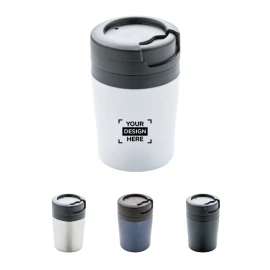
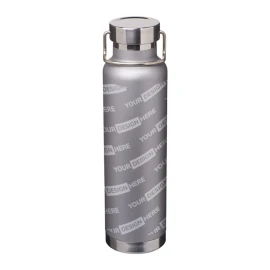
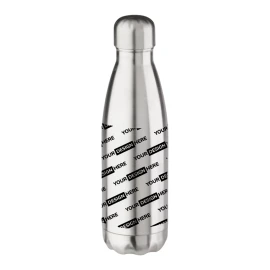
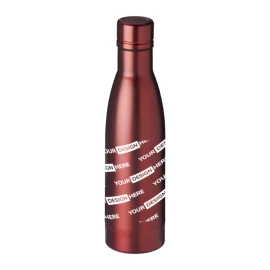
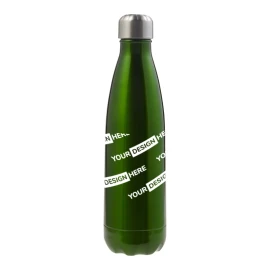
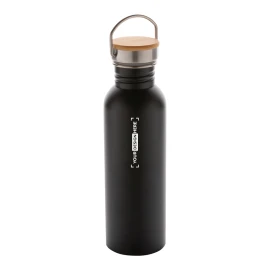
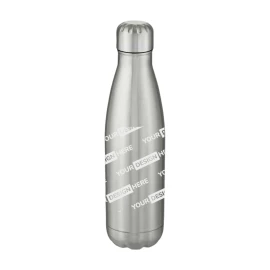
Stainless steel's strength and resistance to tarnishing make it suitable for heavy-duty industrial applications including construction, automotive manufacturing, and aeronautics. Its hygienic and non-reactive properties make it perfect for medical devices and surgical instruments. In the promotional products sector, stainless steel is commonly used for items such as engraved keychains, personalized water bottles, and personalized stainless steel mugs, providing a sleek, polished look that enhances the perceived value of the products.
Comparing stainless steel to other metals
Compared to other metals like aluminum or carbon steel, stainless steel offers superior durability and corrosion resistance, making it more suitable for long-lasting applications. However, it is generally heavier and more expensive than aluminum, and more complex to manufacture than carbon steel. These factors may influence the choice of materials depending on the specific needs of a project.
Comparison of metal properties
| Material | Strength | Weight | Corrosion Resistance | Cost |
|---|---|---|---|---|
| Stainless Steel | High | Heavy | Excellent | High |
| Aluminum | Medium | Light | Good | Moderate |
| Carbon Steel | High | Moderate | Poor | Low |






What makes stainless steel
Stainless steel remains stainless due to the presence of chromium, which forms a thin layer of oxide on the surface, protecting the steel from rust and corrosion.
Can stainless steel rust?
While stainless steel is highly resistant to rust, under certain conditions, such as exposure to saltwater or poor circulation environments, it can show signs of rust.
Is stainless steel magnetic?
Some types of stainless steel are magnetic, depending on their composition. Ferritic and martensitic stainless steel grades are typically magnetic, while austenitic grades usually are not.
How is stainless steel recycled?
Stainless steel is 100% recyclable, and its recycling process involves melting scrap metal in an electric arc furnace, casting it, and then hot rolling it to form new products.
Why is stainless (stainless steel) used in kitchens?
Stainless steel is used in kitchens for its resistance to corrosion and bacteria, its ease of cleaning, and its ability to maintain a fresh appearance, making it ideal for surfaces and appliances.