
Zinc alloy
What is Zinc Alloy?
Zinc alloy is a versatile material widely used in manufacturing and the promotional gifts industry. It is an alloy primarily composed of zinc, mixed with other metals such as aluminum, copper, and magnesium to enhance its properties. Zinc alloy is prized for its strength, durability, and corrosion resistance, making it an essential material in various applications.
Historically, zinc alloys have been used since ancient times. The discovery of zinc dates back to at least 500 BCE when it was used in brass production. However, the modern development of zinc alloys began in the 20th century with advancements in metallurgy. Today, zinc alloy is a crucial component in many industries due to its beneficial properties.
The production of zinc alloy starts with the extraction of zinc ore, typically from underground mines. The ore is then refined through a series of processes, including roasting, leaching, and electrolysis, to obtain pure zinc. This pure zinc is then melted and mixed with other metals to create the desired alloy composition. The molten alloy is cast into molds to form ingots or specific shapes for various manufacturing needs.
Common Properties and Characteristics of Zinc Alloy
Zinc alloy is known for several key properties that make it suitable for a wide range of applications. It is highly corrosion-resistant, which means it can withstand exposure to moisture and air without deteriorating. This makes it an excellent choice for outdoor and marine environments. Additionally, zinc alloy has a low melting point, which allows for easy casting and molding into intricate shapes. It is also strong and durable, providing a good balance between weight and mechanical strength.
Another notable characteristic of zinc alloy is its excellent thermal and electrical conductivity. This makes it valuable in electronic components and heat dissipation applications. Furthermore, zinc alloy is non-toxic and recyclable, contributing to its sustainability and environmental benefits.
Applications and Examples of Zinc Alloy Products
Zinc alloy is used in various industries, including automotive, construction, electronics, and consumer goods. In the automotive sector, zinc alloy components are found in parts like carburetors, fuel pumps, and door handles due to their strength and resistance to wear and corrosion. In construction, zinc alloy is used for roofing materials, gutters, and fittings because of its durability and weather resistance.
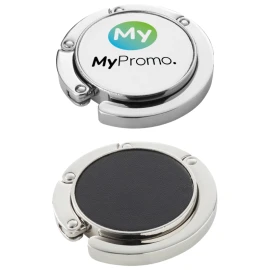
One of the most popular uses of zinc alloy is in the production of promotional items and personalized gifts. Examples include personalized keyrings, medals, and lapel pins. These items are often made from zinc alloy because it allows for detailed designs and can be easily plated with other metals for a high-quality finish. Zinc alloy is also commonly used in die-casting for creating precise and complex shapes, making it ideal for customized promotional products.
Advantages of Using Zinc Alloy in Manufacturing
There are several advantages to using zinc alloy in manufacturing. Its corrosion resistance ensures long-lasting products, even in harsh environments. The low melting point of zinc alloy reduces energy consumption during the casting process, making it cost-effective and efficient. The material's strength and durability ensure that products made from zinc alloy can withstand significant wear and tear.
Additionally, zinc alloy's ability to be recycled makes it an environmentally friendly choice. Its versatility in being alloyed with other metals allows manufacturers to tailor its properties to specific applications, enhancing performance and functionality.
Comparing Zinc Alloy with Other Materials
When compared to other materials, zinc alloy stands out for its unique combination of properties. For instance, aluminum is also lightweight and corrosion-resistant but lacks the same level of strength as zinc alloy. Steel is stronger but heavier and more prone to rust without proper treatment. Plastic can be easily molded but does not offer the same durability or thermal conductivity as zinc alloy.
Despite its many advantages, there are some challenges associated with zinc alloy. It can be more expensive than some other materials, and its low melting point means it is not suitable for high-temperature applications. Additionally, while zinc alloy is strong, it is not as hard as steel, which may limit its use in certain heavy-duty applications.




What is zinc alloy made of?
Zinc alloy is primarily composed of zinc, mixed with other metals such as aluminum, copper, and magnesium to enhance its properties.
Why is zinc alloy used in manufacturing?
Zinc alloy is used in manufacturing because of its strength, durability, corrosion resistance, and ability to be easily cast into intricate shapes.
What are some common products made from zinc alloy?
Common products made from zinc alloy include automotive parts, construction materials, electronic components, and personalized promotional items like keychains and medals.
How does zinc alloy compare to other materials like aluminum or steel?
Zinc alloy is more corrosion-resistant and easier to cast than aluminum, and while it is not as strong as steel, it is lighter and more resistant to rust.
What are the environmental benefits of using zinc alloy?
Zinc alloy is recyclable and non-toxic, making it an environmentally friendly material choice. Its production also requires less energy due to its low melting point.