
PS
What is PS?
PS, or Polystyrene, is a versatile synthetic aromatic polymer made from the monomer styrene, which is derived from petroleum. Discovered in 1839 by Eduard Simon and commercially used since the 1930s, PS is popular in various industries due to its ease of use, affordability, and adaptability. The production process involves polymerizing styrene to create polystyrene, which can be formed into solid, foam, or film and molded into different shapes for numerous applications.
Properties and characteristics of PS
Polystyrene is known for its lightweight and high impact resistance. It has excellent insulating properties, both thermal and electrical, which makes it suitable for various uses. PS is also clear and can be easily colored, providing aesthetic versatility. Additionally, it is resistant to moisture and many chemicals, enhancing its durability.
Applications of PS in manufacturing
The versatility of PS is evident in its wide range of applications. In the packaging industry, PS is used for making foam packaging, containers, and disposable cutlery. The construction industry uses PS for insulation materials, such as foam boards. In the medical field, PS is utilized for making petri dishes, test tubes, and other labware.
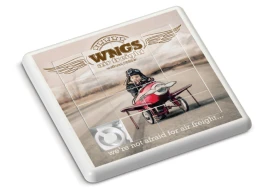
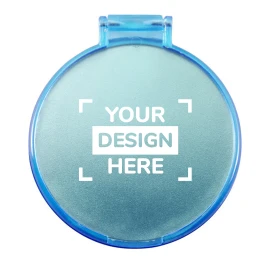
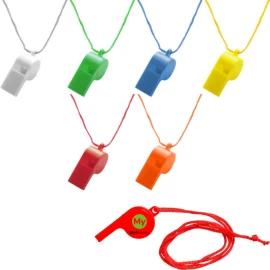
For promotional products, PS is a popular material due to its moldability and cost-effectiveness. Examples include custom-printed pens, branded coasters, and personalized keyrings. These items can be easily personalized with company logos and messages, making them ideal for marketing campaigns.
Advantages of using PS in manufacturing
One of the main advantages of PS is its cost-effectiveness. PS is cheaper to produce compared to many other plastics, making it an economical choice for manufacturers. Its lightweight nature reduces shipping costs and its moldability allows for the creation of complex shapes and designs. PS is also durable and resistant to impact and moisture, ensuring a long lifespan for products made from this material.
Comparing PS with other materials
Compared to materials like PVC, PET, and HDPE, PS stands out for its clarity and ease of molding. While PVC is more durable and flexible, PS is lighter and easier to handle. PET offers better chemical resistance, but PS is more cost-effective. HDPE is known for its strength and durability, but PS's lightweight and insulating properties make it more suitable for specific applications.
Potential challenges and Limitations of PS
Despite its many advantages, PS does have some limitations. It is not biodegradable, which raises environmental concerns regarding its disposal. Recycling PS can also be challenging due to contamination and the cost of the recycling process. Additionally, PS is less resistant to heat compared to other plastics, limiting its use in high-temperature applications.
Common applications of PS
| Industry | Application Examples | Notable Products |
|---|---|---|
| Packaging | Foam packaging, containers | Disposable cutlery, foam cups |
| Construction | Insulation materials | Foam boards, insulation panels |
| Medical | Labware, test tubes, petri dishes | Laboratory equipment, medical trays |
| Promotional Products | Custom-printed items | Branded pens, coasters, keychains |



What is PS made from?
PS is made from the polymerization of styrene, which is derived from petroleum.
Why is PS considered versatile in manufacturing?
PS is versatile due to its lightweight nature, ease of molding, affordability, and insulating properties.
What are common products made from PS?
Common products include foam packaging, disposable cutlery, insulation boards, and promotional items like custom-printed pens and keychains.
How does PS compare to other plastics like PVC and PET?
PS is lighter and more cost-effective than PVC and PET, though it is less flexible and has lower chemical resistance.
Are there any environmental concerns with PS?
Yes, PS is not biodegradable and can be challenging to recycle, raising concerns about its environmental impact.