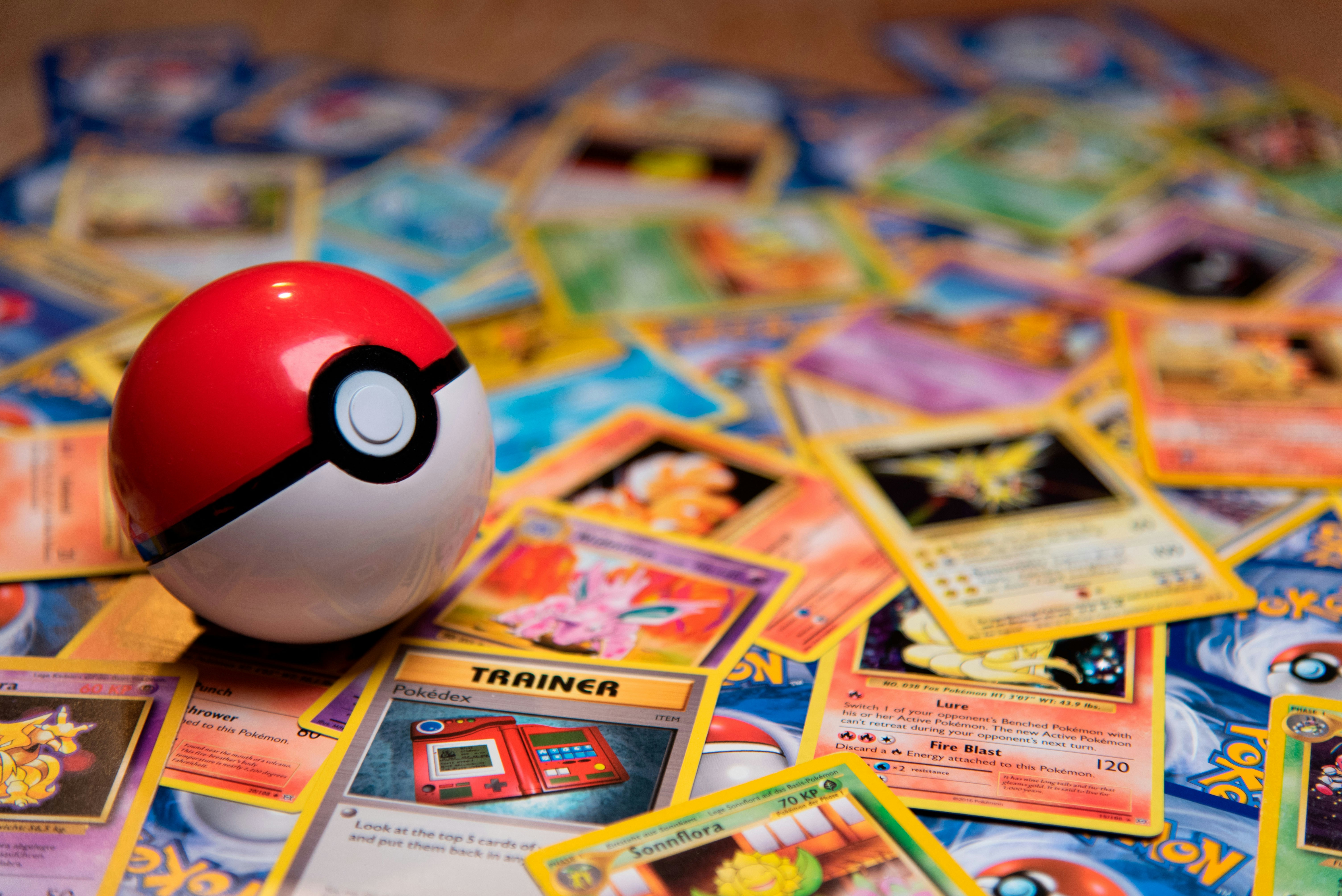
At Loopper, nostalgia often appears in quote requests before it appears in a finished design. Customers ask for “something retro,” “a 90s feeling,” “old-school colours” or “a product that feels familiar.” Based on the merchandise requests we review across our European markets, one pattern comes back often: the first idea is usually visual, while the stronger campaigns are built around a memory.
That is why we look beyond retro design when advising on nostalgia-led merchandise.
A personalized product works best when the reference fits the audience, supports the campaign and feels useful enough to keep. When one of those elements is missing, nostalgia quickly becomes decoration. The product may look good online, but it is less likely to create the emotional response the brand expects.
At Loopper, we would rather help a customer refine a vague retro idea before production than print a product that is unlikely to be kept. Printable does not always mean strategic.
Why nostalgia marketing matters for personalized merchandise
Most promotional products have a very short window to prove their value. When someone receives a mug, bottle, tote bag, notebook or T-shirt, they quickly decide whether it belongs in their daily life or whether it will be forgotten after the event.
This is something we see in product choice as well. Nostalgia usually works best on items people already understand and use regularly: mugs for desks, bottles for daily routines, tote bags for commuting or events, T-shirts for shared identity, notebooks for work or study, and smaller collectible items for campaigns built around sets or limited drops. When the product already has a natural place in someone’s life, the nostalgic reference has a better chance of being noticed again.
According to Brandwatch Consumer Research, online mentions of nostalgia have reached a high, with 1.4 million mentions in August alone. For merchandise campaigns, this shows that nostalgia is not only a design style. It is part of a wider cultural conversation that brands can respond to carefully.

Source: Brandwatch Consumer Research. The graph shows nostalgia-related online mentions rising between 2019 and 2025, with chatter reaching 1.4 million mentions in August.
That is where nostalgia can help. A familiar visual cue can make a product feel less like advertising and more like something the recipient already understands. A colour palette, slogan style, illustration approach or packaging detail can remind people of a certain time, habit or feeling.
This is also why brands such as McDonald’s and Levi’s have used nostalgic collaborations effectively. McDonald’s can connect a campaign to childhood routines, familiar characters or collectible moments, while Levi’s can bring back styles and cultural references that people already associate with specific decades. The product does not feel completely new. It feels familiar, but updated.
For personalized merchandise, the same logic applies. A mug, T-shirt or tote bag becomes stronger when the design connects to a memory the audience actually recognises. But the emotional effect only works when the reference is precise. “Retro” is too broad. “Something from the 90s” is too broad. A design that reminds a specific audience of the products, colours or humour they grew up with is much stronger.
This is where many merchandise campaigns lose impact. They start with a visual trend instead of an audience memory. In practice, that can lead to briefs such as “make it vintage” or “use a nostalgic font,” without any clear reason why the audience should care. A stronger brief would say: “We want a giveaway for customers aged 30 to 40 who grew up with collectible products, bright packaging and playful character-led campaigns.”
That difference matters. The second brief gives a merchandise team something concrete to work with. It points toward product type, design style, tone and campaign mechanic. The first brief only points toward aesthetics.
Nostalgia can make branded products feel less like advertising and more like something the recipient already has a personal connection with. But that only happens when the memory is chosen deliberately. If the reference is vague, the product becomes another branded item with a retro filter.
Why “newstalgia” works for modern personalized merchandise
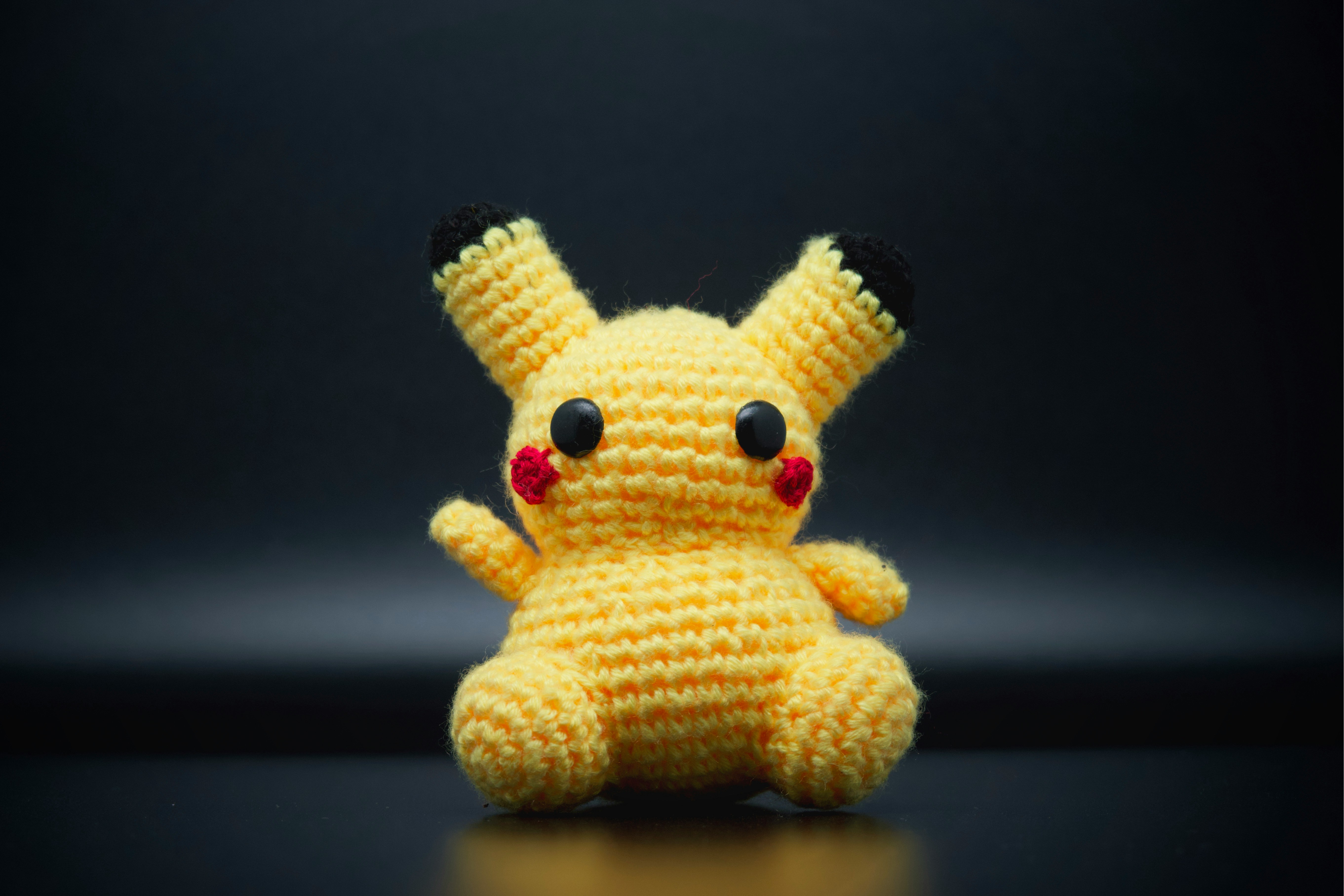
Newstalgia works when a familiar visual cue feels relevant for the way people use products today.
Newstalgia is the combination of nostalgic recognition and modern relevance. It is not about recreating the past exactly. It is about taking a familiar emotional cue and giving it a current purpose.
This matters because personalized merchandise still has to work in the present. A nostalgic hoodie should be wearable now. A retro bottle should still fit into someone’s daily routine. A vintage-inspired notebook should still feel professional enough for work.
From a merchandise supplier’s perspective, this is the part brands sometimes skip. They choose the nostalgic design first and the product second. We would reverse that order. First, decide what memory the campaign should activate. Then choose the product that can carry that memory without becoming gimmicky.
The strategy is visible in well-known brand campaigns. Companies like Coca-Cola have reintroduced vintage packaging designs in past campaigns, while Adidas has brought back shoe styles associated with the 90s. Pokémon also continues to use nostalgia through anniversary campaigns, such as its collaboration with Target for its 30th anniversary.
The return of Adidas Samba-style trainers shows how newstalgia can work beyond cartoons, games or collectible products. A familiar 90s-inspired product can become relevant again when it fits current fashion habits, daily use and cultural timing.

The Adidas Samba revival shows how a familiar 90s-inspired product can become relevant again when it fits current style, daily use and cultural timing. Source: The Telegraph.
Strong newstalgia merchandise works best when the audience recognises the reference quickly, the product has a real use and the brand gives people a reason to care now.
Recognition
The audience understands the reference quickly.
Usefulness
The product fits a real daily or campaign need.
Context
The brand gives people a reason to care now.
If one layer is missing, the campaign becomes weaker. Recognition without usefulness becomes a novelty item. Usefulness without context becomes a normal promotional product. Context without recognition becomes a message people have to work too hard to understand.
This is why we would not advise using nostalgia just because a design trend is popular. The product still needs to make sense after the campaign moment has passed. Even small everyday objects, such as personalized bottles or personalized mugs, can become more interesting when the nostalgic idea supports the product instead of replacing its practical value.
How brands can use pop culture references without copying them
Brands do not need to copy famous characters, slogans or logos to benefit from pop culture nostalgia. In most B2B merchandise campaigns, copying is also risky and often less interesting.
The better approach is to translate the behaviour behind the reference.
Pokémon is not only about Pikachu. It is about choosing a favourite, collecting a set, comparing with others and feeling part of a shared world. Those ideas can inspire merchandise without copying the franchise.
That is the useful lesson for merchandise teams. The strongest idea is not “put a famous reference on a product.” The stronger idea is “build a product mechanic people already understand.” A company could create three onboarding gift versions and let new employees choose their “starter pack.” An event could give attendees collectible pins for different sessions or locations. A brand anniversary could use a series of mugs, each linked to a milestone year. A loyalty campaign could use limited tote bag designs that change by season.
This kind of thinking connects the nostalgic mechanic to the brand’s own story. It is not borrowed decoration. It is translated strategy.
When using pop culture references, brands should also research the target audience first. Millennials, Gen Z and Gen X do not always share the same references. A nostalgic cue that works in the Netherlands may not have the same meaning in Germany, France, Spain or the UK. The reference only works when it feels genuine and recognisable to the people receiving the product.
Create limited-edition products
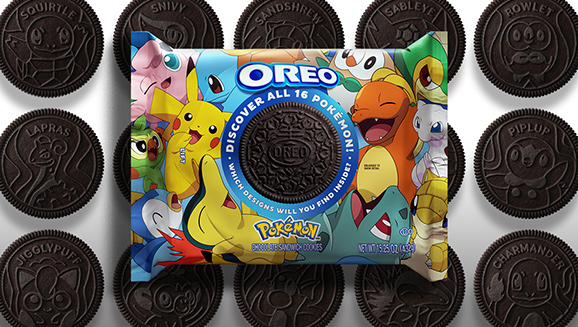
Collectible formats give people a reason to compare, share and complete a set.
Limited-edition merchandise works best when it is linked to a real moment, such as a product launch, company anniversary, trade fair, seasonal campaign or customer milestone. Printing fewer items does not automatically make something desirable.
The Pokémon x Oreo collaboration shows why this matters. The cookies featured different Pokémon characters, which made them feel collectible and gave people a reason to compare, share and try to complete the set.
The same idea can work for personalized cookies. A brand could create a limited-edition cookie set with different icons, slogans, cities or campaign messages, making the product more interactive than a standard giveaway.
For a real campaign, we would not advise using only one generic cookie design if the goal is nostalgia or collectibility. A set works harder because it gives recipients something to notice, compare or talk about. For example, a trade fair could use different cookie designs for different product categories. A company anniversary could use one design per milestone year. A city campaign could use a different icon for each location.
Our view is that limited edition should never be used as a shortcut for weak product thinking. Scarcity should support the story, not replace it. A vintage look may attract attention, but a meaningful reason gives people a better reason to remember the product.
Use vintage pop culture references
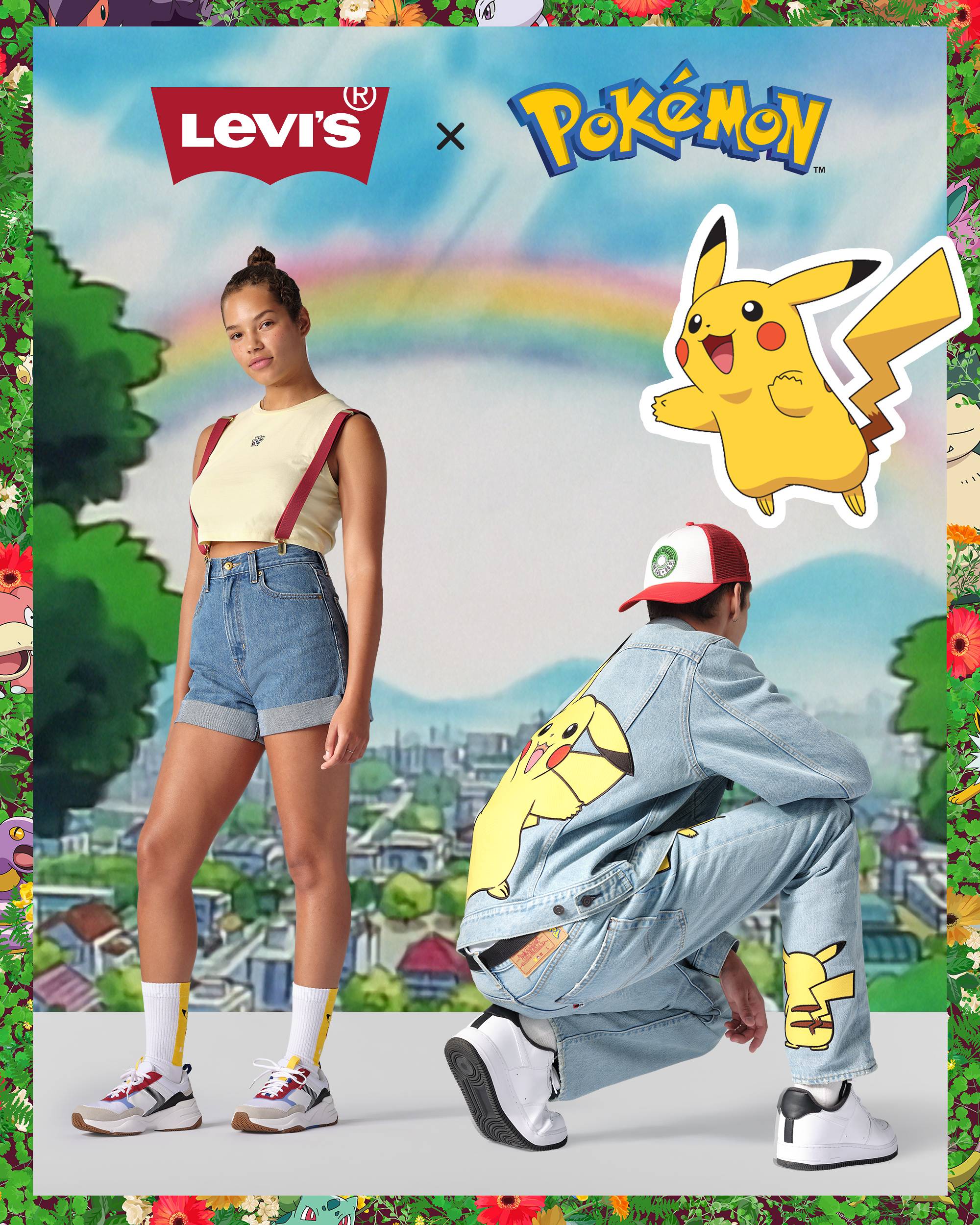
Apparel can carry nostalgia well when the phrase, colour palette or graphic style matches the generation receiving it.
Vintage pop culture references can work well, but only when they connect to a memory the audience genuinely recognises. The Pokémon slogan “Gotta Catch ’Em All” is a good example because it immediately brings back a specific feeling, not just a retro look.
For personalized clothing, this can make a campaign stronger when the quote, style or visual cue fits the target group. Personalized T-shirts with a famous phrase, gaming-inspired design or old-school graphic style can feel more meaningful when people from a specific generation instantly understand the reference.
Still, nostalgia should not be used as decoration. Start with the memory you want to activate, then choose the product, and only then build the design around it. That order matters. Memory first. Product second. Design third.
Research the target audience first
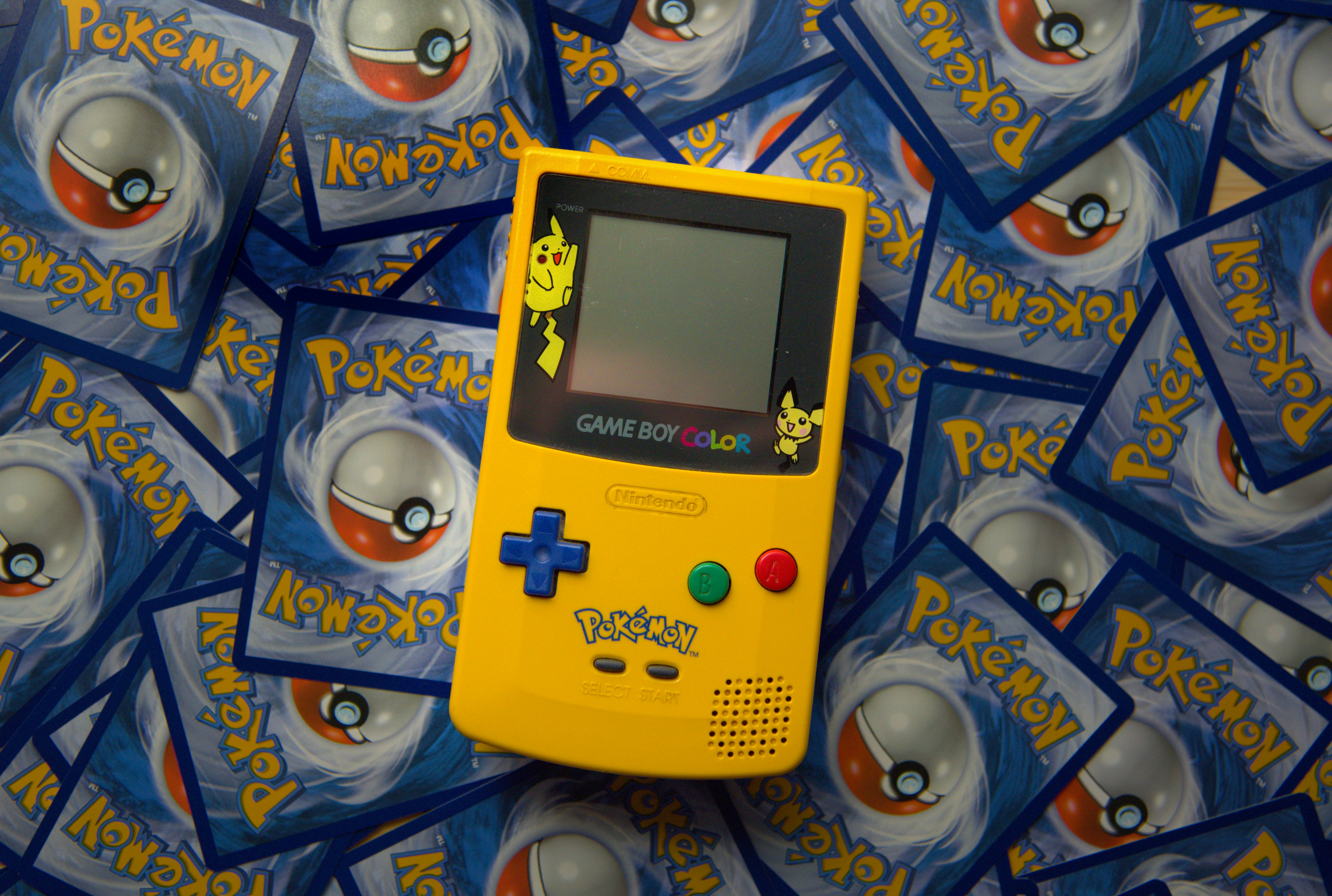
The same nostalgic cue can feel familiar in one market and unclear in another.
When using pop culture references, brands should always research the target audience first. Millennials, Gen Z and Gen X do not always share the same memories, and a nostalgic cue that works in one country may not have the same meaning in another.
A reference that feels obvious to the marketing team may mean very little to the people receiving the product. That is why nostalgia-led merchandise should be based on audience fit, not just a general decade or visual trend.
This is especially important for international merchandise campaigns. Loopper works across multiple European markets, and the same nostalgic reference does not always travel well. A school memory, snack reference, TV format, sports moment or humour style can be highly local. A concept that feels obvious in one market may feel empty in another.
That is why we would not build an international nostalgia campaign around a decade alone. “90s-style” is not enough. The stronger question is: which audience, in which market, remembers what?
The reference only works when it feels genuine. A nostalgic cue should support the product and the audience, rather than feeling pasted onto merchandise because it is trending.
Conclusion: what merchandising businesses should remember
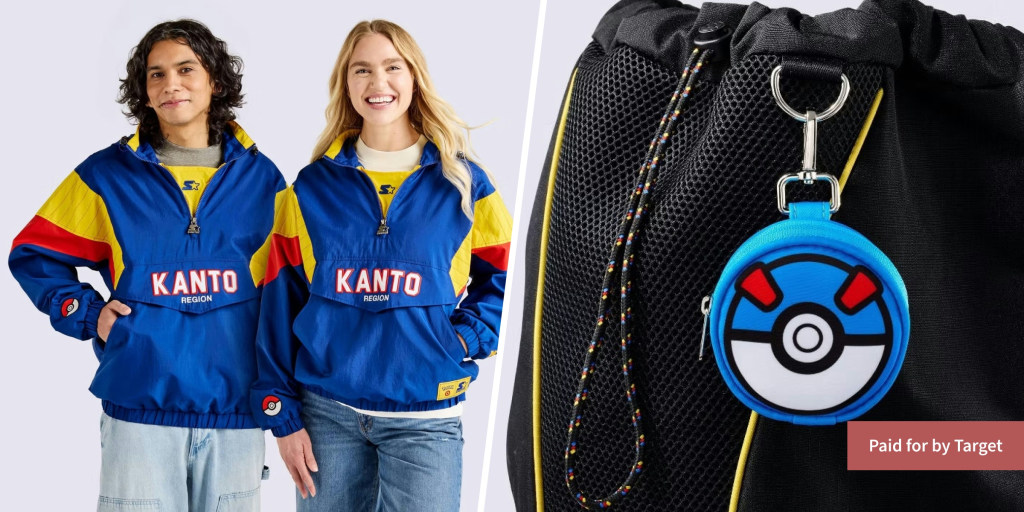
The Pokémon x Target collaboration shows how a familiar franchise can become a current retail moment through limited-edition products, recognisable characters and collectible appeal. Source: The Today Show.
Nostalgia can be powerful, but it raises expectations. When a brand connects a product to someone’s childhood, favourite era or cultural memory, the item needs to feel considered. A careless product with a nostalgic design can disappoint faster than a simple branded item.
The strongest nostalgia-led merchandise usually follows one clear order: memory first, product second, design third.
Start with the memory
A vague “retro” style is too broad to guide a strong campaign. The idea should start with a specific audience memory, habit or cultural reference.
Choose the product second
The item should fit the memory and still be useful. A nostalgic mug, bottle, tote bag or T-shirt works better when it has a natural place in daily life.
Design last
The visual style should support the idea, not carry the whole campaign. Colours, fonts and graphics only work when the concept is already clear.
Check the audience
Gen Z, millennials, Gen X and different European markets may respond to different references. A nostalgic cue should feel recognisable to the people receiving it.
Use collectibility carefully
Limited editions work best when there is a real reason to collect, compare or complete a set. Scarcity should support the story, not replace it.
Avoid direct copying
Famous characters, logos, slogans and artwork may create legal or brand-safety risks. It is safer to translate the behaviour behind the reference.
A desk-based memory may work well with mugs, notebooks, mouse mats or calendars. A school or student memory may work with pencil cases, bags, stickers or bottles. A sports memory may work with towels, caps, bottles or drawstring bags. A music or festival memory may work with wristbands, T-shirts, sunglasses or tote bags. A gaming or collecting memory may work with pins, badges, cards, stickers or product sets.
When brands reverse the order and start with the visual style, nostalgia becomes decoration. When they start with the memory, the product has a much better chance of being kept, used or discussed.
Loopper's position on nostalgia-led merchandise
Nostalgia should only be used when it makes a product more likely to be kept, used or discussed. We would not recommend it for every brand, audience or campaign.
If the reference is too vague, the quality is too low or the campaign moment is too weak, the better advice is to refine the idea before ordering. Printable does not always mean strategic.
Before production, we would test the idea with five questions:
- Does the audience recognise the reference without an explanation?
- Would the product still be useful without the nostalgic design?
- Is the reference specific enough to guide the design?
- Does the idea fit a real campaign moment?
- Could the reference create legal or brand-safety issues?
If a concept fails more than two checks, we would refine it before production. The best nostalgic merchandise gives people a new reason to keep that memory close.
Ready to turn a nostalgic idea into merchandise people will use?
Explore Loopper’s personalized products and create branded items that connect memory, usefulness and campaign impact.
Frequently asked questions about nostalgia marketing in merchandise
How does nostalgia marketing help personalized merchandise?
Nostalgia marketing helps personalized merchandise by making a product feel familiar faster. When the design connects to a specific memory, era, habit or cultural reference, the recipient may feel more emotionally connected to the item. This can make the product more likely to be kept, used or shared.
What does newstalgia mean?
Newstalgia means combining nostalgic references with modern relevance. In merchandise, this could mean using a retro-inspired design on a practical modern product, creating collectible campaign items or updating old visual cues for a current audience.
What can brands learn from Pokémon?
Brands can learn that nostalgia becomes stronger when people can participate in it. Pokémon uses collecting, rarity, choice, favourites and community. Merchandise campaigns can apply similar mechanics through limited sets, product variations, anniversary items, collectible designs or audience-specific gifts.
When should brands avoid nostalgia marketing?
Brands should avoid nostalgia marketing when the reference is too vague, too forced or too disconnected from the audience. If recipients do not recognise the reference, or if the product is not useful without the nostalgic design, the campaign is unlikely to work.
Can brands use famous pop culture references on merchandise?
Brands should be careful with famous pop culture references. Characters, logos, slogans and artwork may be protected. Without the right licence, it is safer to use broader design cues, campaign mechanics or emotional themes rather than copying specific assets.
What makes nostalgic merchandise feel authentic?
Nostalgic merchandise feels authentic when the memory, product and audience fit together. The product should have a real reason to exist, not just a retro look. If the item is useful, recognisable and connected to a clear campaign moment, the nostalgia feels more natural.